Blog

  • Beef Skirt – The Ultimate Guide to Flavorful, Tender, and Delicious Cooking

    Beef Skirt – The Ultimate Guide to Flavorful, Tender, and Delicious Cooking

    Introduction

    Beef is one of the most popular meats in the world, and many cuts offer unique flavors and textures. Among them, beef skirt stands out as a flavorful and versatile option used in many cuisines. This cut of beef is known for its rich taste, loose grain, and ability to absorb marinades easily. Because of these qualities, it has become a favorite for grilling, stir-frying, and classic dishes like fajitas.

    Another reason why chefs and home cooks love beef skirt is its deep, beefy flavor. When cooked correctly, this cut becomes tender, juicy, and incredibly satisfying. However, understanding the right cooking techniques is essential to get the best results. In this guide, readers will learn what this cut is, how to cook it properly, and why it deserves a place in everyday meals.

    H2: What Is Beef Skirt?

    Beef skirt is a long, flat cut of beef taken from the plate section of the cow, located just below the ribs. It has a noticeable grain and a rich flavor that makes it perfect for high-heat cooking methods.

    This cut is often divided into two types:

    H3: Inside Skirt

    The inside skirt is slightly wider and thicker. It comes from the inside of the chest wall and is often used in restaurants because of its rich flavor.

    H3: Outside Skirt

    The outside skirt is thinner and more tender than the inside skirt. Many chefs prefer it because it cooks quickly and produces a juicy texture when sliced correctly.

    Both types are excellent choices when cooked properly and sliced against the grain.

    H2: Why Beef Skirt Is So Popular

    There are several reasons why this cut is loved by food enthusiasts and professional chefs alike.

    H3: Rich and Intense Flavor

    One of the biggest advantages of beef skirt is its deep, beefy taste. The muscle fibers hold seasoning well, which makes it perfect for marinades and spices.

    H3: Perfect for Grilling

    This cut cooks quickly over high heat. Grilling enhances its smoky flavor and creates a delicious crust on the outside.

    H3: Great for Many Recipes

    It is commonly used in dishes such as tacos, stir-fries, steak sandwiches, and Asian noodle recipes. Its versatility makes it a great ingredient in many kitchens.

    H2: Best Ways to Cook Beef Skirt

    Cooking this cut the right way ensures tenderness and maximum flavor.

    H3: Grilling

    Grilling is one of the most popular ways to prepare this cut. Because it is thin, it cooks quickly and develops a flavorful char.

    Tips for grilling:

    • Preheat the grill to high heat
    • Marinate the meat for at least 30 minutes
    • Cook for about 3–4 minutes per side
    • Let it rest before slicing

    H3: Pan-Searing

    Pan-searing works well when a grill is not available. A hot skillet helps create a crispy outer layer while keeping the inside juicy.

    H3: Stir-Frying

    Thin slices of this cut are perfect for stir-fry dishes. Cooking quickly in a hot pan keeps the meat tender and flavorful.

    H2: Tips for Making Beef Skirt Tender

    Even though this cut is flavorful, it can become tough if cooked incorrectly. Follow these simple tips to ensure the best results.

    H3: Always Slice Against the Grain

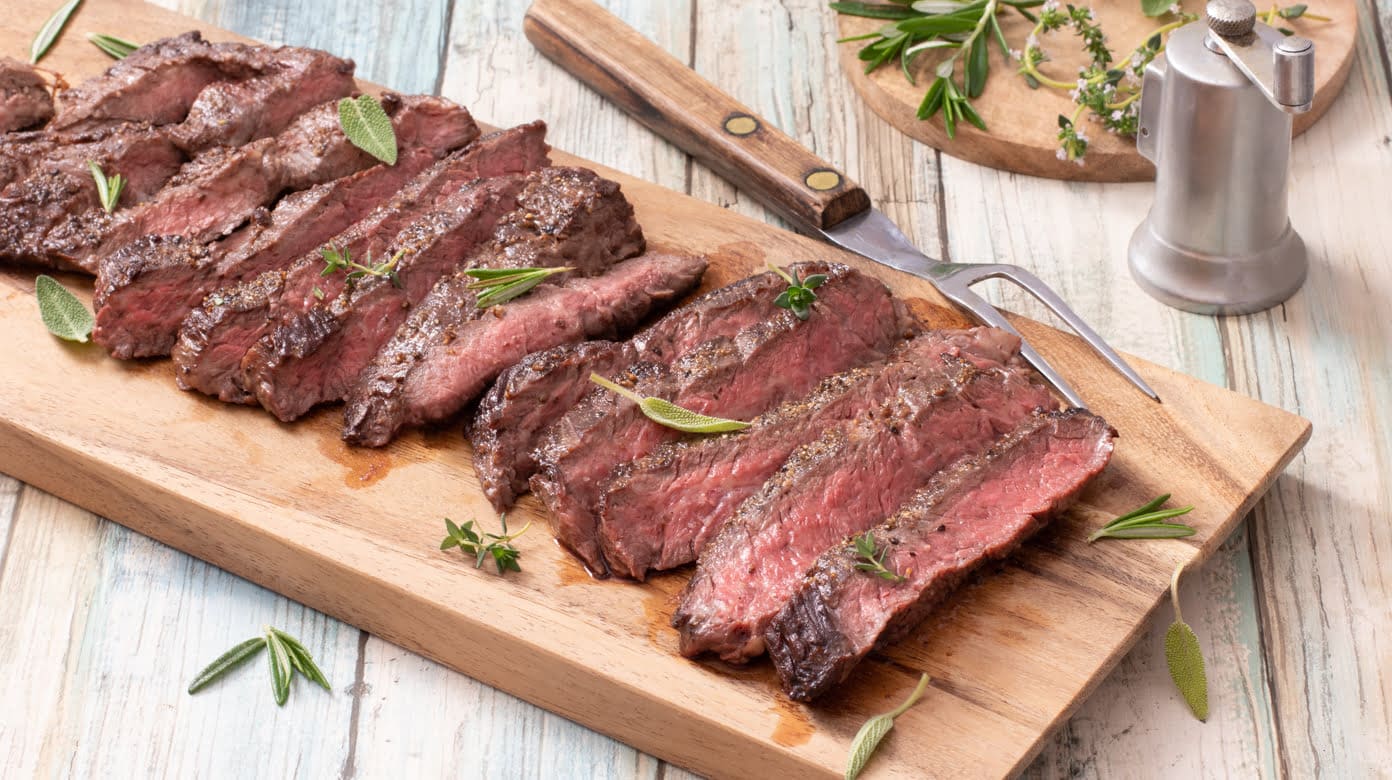
    The muscle fibers in this cut are long and visible. Cutting against the grain shortens the fibers, making the meat easier to chew.

    H3: Use Marinades

    Marinades help soften the fibers and add flavor. Ingredients like citrus juice, vinegar, soy sauce, and garlic work especially well.

    H3: Avoid Overcooking

    Because the meat is thin, it cooks quickly. Overcooking can make it tough and dry.

    H2: Nutritional Value of Beef Skirt

    Besides its great taste, this cut also offers nutritional benefits.

    Some key nutrients include:

    • Protein: Supports muscle growth and repair
    • Iron: Helps carry oxygen in the blood
    • Zinc: Supports immune health
    • Vitamin B12: Important for energy and brain function

    Moderate consumption as part of a balanced diet can provide essential nutrients for the body.

    H2: Popular Dishes Made with Beef Skirt

    Many well-known recipes feature this flavorful cut of meat.

    H3: Fajitas

    One of the most famous dishes using beef skirt is fajitas. The meat is marinated, grilled, and served with peppers, onions, and tortillas.

    H3: Steak Tacos

    Thin slices of grilled meat are perfect for tacos. Add fresh salsa, lime juice, and cilantro for extra flavor.

    H3: Asian Stir-Fry

    When sliced thinly, this cut works beautifully in stir-fried noodles or rice dishes.

    H2: How to Choose Quality Beef Skirt

    Selecting the right cut ensures the best cooking results.

    Look for these features:

    • Bright red color
    • Visible marbling for flavor
    • Fresh smell
    • Even thickness for consistent cooking

    Buying from a trusted butcher or grocery store can help ensure high quality.

    Conclusion

    Beef skirt is one of the most flavorful cuts of beef available. Its rich taste, quick cooking time, and versatility make it a favorite among chefs and home cooks. Whether grilled, seared, or stir-fried, it delivers a delicious and satisfying meal when prepared correctly.

    Understanding the proper techniques, such as marinating and slicing against the grain, can make a big difference in texture and flavor. With the right approach, this cut can transform simple dishes into mouth-watering meals that everyone will enjoy.

    Frequently Asked Questions (FAQs)

    What is beef skirt best used for?

    It is commonly used for fajitas, tacos, stir-fries, and grilled steak dishes because of its strong flavor and quick cooking time.

    Is beef skirt tender?

    It can be very tender when cooked properly and sliced against the grain.

    Do you need to marinate beef skirt?

    Marinating is not required but highly recommended because it enhances flavor and helps tenderize the meat.

    How long should beef skirt be cooked?

    It usually cooks very quickly, about 3–4 minutes per side on high heat depending on thickness.

    Is beef skirt the same as flank steak?

    No, they are different cuts. While both are flavorful and lean, they come from different parts of the cow and have slightly different textures.

  • Sanding with a Belt Sander: The Ultimate Guide for Perfect Wood Finishing

    Sanding with a Belt Sander: The Ultimate Guide for Perfect Wood Finishing

    Introduction

    Woodworking projects require smooth and clean surfaces to achieve a professional finish. One of the most powerful tools used by both beginners and experts is a belt sander. This tool removes material quickly and makes rough wood surfaces smooth and ready for finishing. Sanding with a belt sander is a simple process when done correctly, but using the right techniques is important to avoid damaging the wood.

    Many DIY enthusiasts, carpenters, and furniture makers rely on belt sanders because they save time and effort. Instead of sanding manually for hours, a belt sander can complete the task in minutes. When you understand how to control the tool and choose the right sanding belt, you can achieve excellent results for any woodworking project.

    What is a Belt Sander?

    A belt sander is a power tool designed to sand wood quickly using a continuous loop of sandpaper called a sanding belt. The belt rotates rapidly around two drums, allowing it to remove material from wood surfaces efficiently.

    This tool is commonly used for:

    • Smoothing rough lumber
    • Removing old paint or finishes
    • Leveling uneven wood surfaces
    • Preparing wood for staining or painting

    Because it is powerful, it must be used carefully to avoid removing too much material.

    Why Use a Belt Sander for Wood Projects?

    Using a belt sander offers several advantages compared to traditional sanding methods.

    Fast Material Removal

    A belt sander removes large amounts of wood quickly, making it ideal for rough surfaces.

    Time Saving

    Instead of spending hours sanding manually, the tool completes the job much faster.

    Professional Finish

    When used correctly, sanding with a belt sander creates a smooth and even surface ready for finishing.

    Ideal for Large Surfaces

    It works perfectly for tables, doors, cabinets, and wooden boards.

    How Sanding with a Belt Sander Works

    Understanding the process helps you control the tool better and protect your project.

    Continuous Sanding Belt

    The sanding belt moves continuously around two rollers. As the belt spins, the abrasive surface grinds down rough areas on the wood.

    Motor Power

    The motor drives the belt at high speed. This power allows the tool to remove material quickly compared to hand sanding.

    Direction Control

    The direction in which you move the sander affects the final result. Always move along the wood grain to prevent scratches.

    Step-by-Step Guide to Sanding with a Belt Sander

    Follow these simple steps to achieve smooth and professional wood surfaces.

    1. Prepare the Work Area

    Before starting:

    • Secure the wood piece firmly
    • Remove nails or screws from the surface
    • Wear safety glasses and a dust mask

    Preparation helps prevent accidents and ensures better results.

    2. Choose the Right Sanding Belt

    Different grit levels serve different purposes.

    • Coarse grit (40–60): Removing paint or heavy material
    • Medium grit (80–100): General smoothing
    • Fine grit (120–220): Final finishing

    Selecting the correct grit improves efficiency when sanding with a belt sander.

    3. Start the Sander Before Touching the Wood

    Turn on the sander while holding it above the surface. Once it reaches full speed, gently place it on the wood.

    This prevents sudden gouges in the material.

    4. Move the Sander Smoothly

    Always move the sander in steady strokes along the wood grain. Do not keep the tool in one spot for too long.

    Consistent movement prevents uneven sanding marks.

    5. Check the Surface Regularly

    Stop occasionally and inspect the surface. This helps you avoid removing too much material.

    Professional woodworkers often repeat sanding with a belt sander gradually using different grits for perfect results.

    Common Mistakes to Avoid

    Even experienced users sometimes make mistakes when using this tool.

    Pressing Too Hard

    The tool’s weight is usually enough. Excess pressure can damage the wood and wear out the sanding belt faster.

    Staying in One Spot

    Holding the sander in one area creates deep grooves that are difficult to fix.

    Ignoring the Wood Grain

    Always sand along the grain. Sanding across it leaves visible scratches.

    Using the Wrong Grit

    Starting with very fine sandpaper on rough wood wastes time and reduces efficiency.

    Safety Tips for Using a Belt Sander

    Safety should always be the top priority when working with power tools.

    Wear Protective Gear

    Always use:

    • Safety goggles
    • Dust mask
    • Hearing protection

    Secure the Wood

    Loose wood pieces can move and cause accidents.

    Keep Both Hands on the Tool

    A firm grip helps maintain control during sanding with a belt sander.

    Unplug When Changing Belts

    Never change sanding belts while the tool is connected to power.

    Best Projects for Belt Sanders

    Belt sanders are ideal for many woodworking projects.

    Furniture Restoration

    They remove old finishes and smooth rough surfaces quickly.

    Floor Preparation

    Many professionals use large belt sanders to prepare wooden floors.

    Cabinet Making

    Cabinet makers rely on sanding with a belt sander to level wooden panels.

    DIY Home Projects

    From shelves to tables, belt sanders make DIY woodworking easier and faster.

    Tips for Getting Professional Results

    Use Multiple Grit Levels

    Start with coarse grit and gradually move to finer grits for smooth finishing.

    Keep the Tool Moving

    Smooth motion ensures an even sanding surface.

    Clean the Surface Between Passes

    Dust buildup can affect sanding quality.

    Practice on Scrap Wood

    Before sanding your main project, test your technique on spare wood.

    Conclusion

    Belt sanders are powerful tools that make woodworking faster and easier. Whether you are building furniture, restoring wood, or completing a DIY project, mastering sanding with a belt sander can significantly improve the quality of your work. With the right sanding belts, proper technique, and patience, you can achieve smooth and professional surfaces without spending hours sanding manually.

    Learning proper control and safety practices is essential for getting the best results. By following the steps and tips in this guide, beginners and experienced woodworkers can use belt sanders effectively. Over time, practicing sanding with a belt sander will help you develop confidence and produce flawless wood finishes in every project.

    Frequently Asked Questions (FAQs)

    1. What is sanding with a belt sander used for?

    It is mainly used for smoothing rough wood surfaces, removing old paint, and leveling uneven boards quickly.

    2. Can beginners use a belt sander?

    Yes, beginners can use it safely by practicing on scrap wood and following proper sanding techniques.

    3. What grit sandpaper is best for a belt sander?

    Coarse grits like 40–60 remove material quickly, while medium and fine grits are better for smoothing and finishing.

    4. How do you avoid marks when sanding?

    Move the sander continuously along the wood grain and avoid applying too much pressure.

    5. Is a belt sander better than hand sanding?

    For large surfaces and heavy material removal, belt sanders are much faster and more efficient than hand sanding.

  • Hello world!

    Welcome to WordPress. This is your first post. Edit or delete it, then start writing!